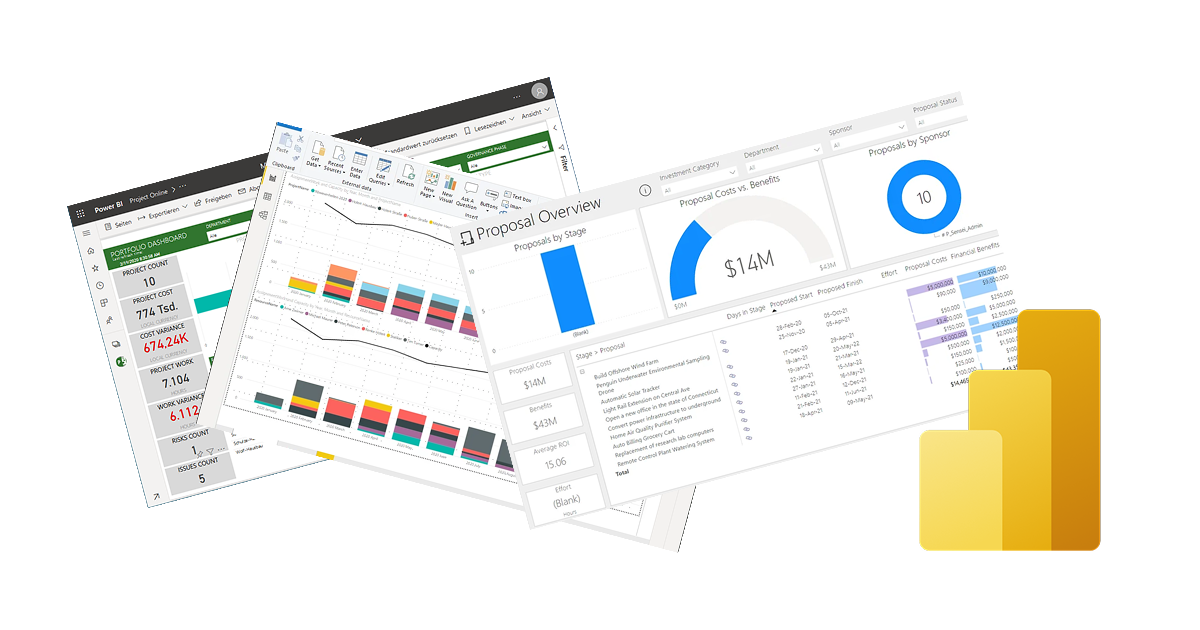
Traditional project portfolio management is struggling to keep pace. PPM has been a dynamic field for years. We have made great strides in optimizing processes and streamlining projects, but the complexity and ever-faster pace of change call for new approaches.
- What: xPM (Projectum xPM) connects all work in an organization – projects, operations, and business functions – to corporate strategy.
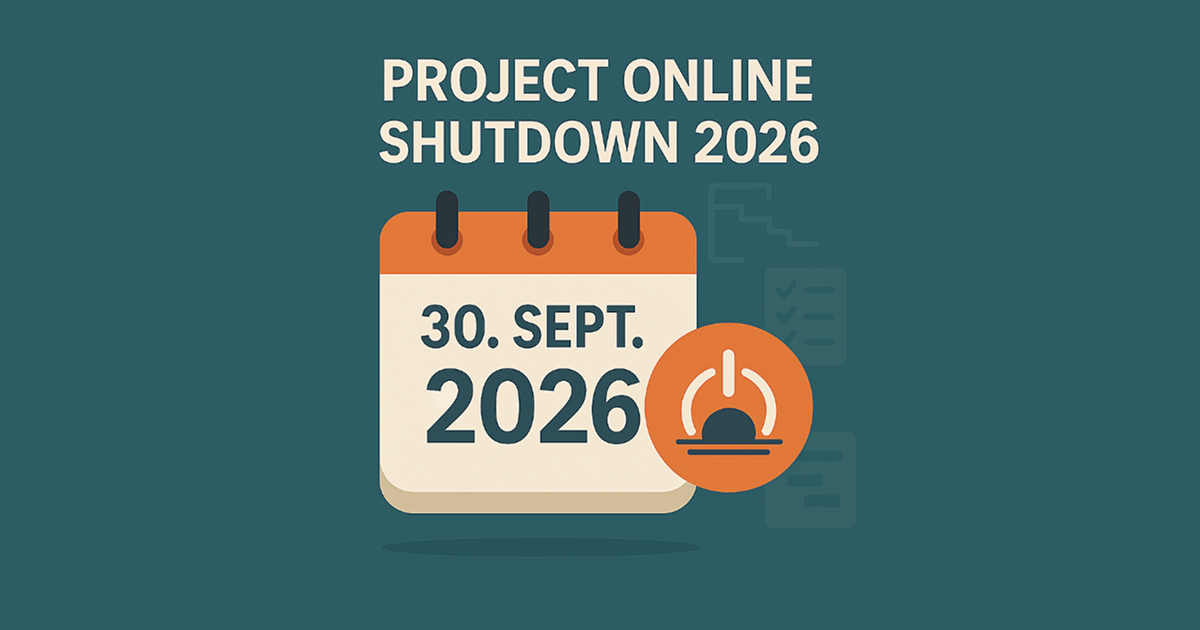
- Why now: Microsoft Project Online was retired on September 30, 2026; xPM is one of the successor solutions positioned by Projectum.
- Platform: xPM runs on Microsoft 365 and the Power Platform (Dataverse, Power Apps).
- Differentiation: Unlike Microsoft Planner Premium (task and project level) and Altus PPM (broad PPM feature coverage), xPM focuses on organization-wide portfolio and strategy alignment with strong reporting.
- For whom: Organizations that want to strategically govern all forms of work, not just classic project portfolios.
For a while, we talked about strategic portfolio management (SPM), where portfolios are linked to strategy.
But that is no longer enough.
Today's dynamic landscape requires more than just aligning projects. It requires aligning all work across the entire organization so that everyone moves strategically in the same direction. It is not enough to look only at our projects and portfolios. We need to consider the whole organization.
It is about doing things right – and doing the right things.
The Limits of Traditional PPM
For a long time, the focus of PPM was on optimizing projects and portfolios. The processes and tools are optimized for traditional PPM and refined to perfection. But organizations do not run on projects alone.
In reality, a company consists of multiple ways of working, agile workflows, product development, operations, day-to-day business functions, and more – all interconnected, but often organized in silos.
This siloed approach creates several key challenges:
- Limited transparency – it is difficult to close the gap between portfolios and broader business operations.
- Strategic misalignment – Execution is often not connected to strategy, leading to inefficiencies as companies falter or fail to fully leverage cross-departmental synergies.
- Lack of flexibility – Traditional PPM tools do not support the full spectrum of work in modern organizations; instead, they force people to work according to disparate processes rather than getting the right work done.
For a while, we talked about strategic portfolio management (SPM) as a way to fix this problem. By aligning portfolios with strategy, we came one step closer to selecting our projects with a goal in mind: advancing the strategy and achieving a good return on investment. xPM goes one step further, as it connects all work to strategy and ensures that every effort moves the company forward.
Beyond PPM: Organizational Portfolio Management with xPM
At Projectum, everything revolves around xPM. For us, the diversity of work means greater potential for innovation – if you can bridge the gaps and connect the potential. It takes a more flexible approach that can encompass all of these elements.
xPM is a paradigm shift. It is not just another methodology, but a new way of looking at work. Instead of managing projects in isolation, xPM ensures that every unit of work – whether a project, an operational process, or a hybrid approach – is directly linked to strategic goals.
This brings entirely new requirements for how we design and define our products. It does not start from the PPM perspective, but with your organization's operating model, going back to basics and looking within the organization. It is not about finding the perfect tool, but about designing processes tailored to your needs.
And that starts with your strategy. Take a look at your organizational strategy and then compare it with your operating model. They are the drivers of how you understand your organization and the answer to how you create great processes. xPM is the link.
Dependencies, resources, skills, and existing projects are all elements that influence which processes make the most sense – and how best to track them.
It takes courage to leave the familiar behind and venture into the world of custom-designed processes built from the ground up, but the result is processes that actually execute the strategy and an optimized organization with exactly the right number of processes. Not too many, not too few, but just right.
xPM Is the Big Picture
In short, xPM is about connecting strategy with execution. True xPM connects all work to strategy and links it to strategic drivers. It is a change in how we think about work in an organization.
- Full transparency across all types of work
- Ensuring strategic alignment across projects, operations, and business functions
- Improving agility by adapting processes to real-world needs
- Optimizing execution with a tailored approach instead of rigid frameworks
This requires a shift in thinking. Instead of optimizing outdated PPM models, it is about designing processes from the ground up that fit your strategy, your workforce, and your operational needs.
You can find more information about Projectum xPM here. This article is based on the blog post by Peter Kestenholz What is xPM?
xPM Compared: Microsoft Planner Premium and Altus PPM
Anyone looking for a successor to Microsoft Project Online, which was retired on September 30, 2026, needs to distinguish xPM from other Microsoft-centric PPM options. All three solutions run on Microsoft 365 or the Power Platform, but differ significantly in scope and target audience:
| Criterion | Projectum xPM | Microsoft Planner Premium | Altus PPM |
|---|
| Scope | Entire organization: projects, operations, and business functions strategically connected (xPM paradigm) | Task and project level, boards, timelines, goals | Classic to hybrid project portfolio management, including time tracking |
| Platform | Microsoft 365 and Power Platform (Dataverse, Power Apps) | Microsoft 365, natively integrated in Teams, Dataverse-based for Premium plans | Microsoft 365 and Power Platform (Dataverse, Power Apps) |
| Licensing | Standalone ISV subscription via Projectum, in addition to Microsoft 365 licenses | Included in Microsoft 365 plans or licensed as a Planner and Project Plan 3/5 add-on | Standalone ISV subscription, in addition to Microsoft 365 licenses |
| Integrations | Microsoft Teams, Power BI, Azure DevOps, Jira | Microsoft Teams, To Do, Outlook | Jira, Azure DevOps, Power BI, Microsoft Teams |
| Typical use | Strategy alignment across all forms of work, AI-supported portfolio analysis | Task management and simple project planning for teams | Broad PPM feature coverage from portfolio to time tracking |
Teams that mainly need tasks and simple project plans are often well served by Planner Premium. Organizations that want to strategically align the entire organization – not just projects – will find xPM the broader approach; Altus PPM sits in between with broad classic PPM feature coverage and its own Jira and DevOps connectors.
Frequently Asked Questions About xPM
What distinguishes xPM from classic project portfolio management (PPM)?
Classic PPM optimizes projects and portfolios. xPM additionally includes operations, product development, and day-to-day business, linking every unit of work directly to corporate strategy.
Is xPM its own methodology like Scrum or PRINCE2?
No. xPM is not a fixed methodology but a paradigm: it lets project, product, and operational work run in its respective methodology – classic, agile, or hybrid – and connects it through strategy.
What platform does Projectum xPM run on?
Projectum xPM is built on Microsoft 365 and the Power Platform and uses Dataverse as its data foundation.
Is xPM an alternative to Microsoft Project Online?
Yes. Projectum positions xPM as a successor solution for organizations migrating from Project Online, which was retired on September 30, 2026.
How does xPM differ from Altus PPM?
Both run on the Power Platform. Altus PPM broadly covers the classic PPM range from portfolio to time tracking, while xPM focuses on organization-wide strategy alignment and reporting.
How Holert Supports You in Implementing xPM
The xPM idea sounds convincing – implementation is not automatic. Between "we want to align all work with strategy" and a running operating model on Dataverse lies process design, data migration, and change management that many PMOs underestimate, especially when a Microsoft Project Online migration is happening in parallel.
Holert supports organizations across the DACH region as an implementation partner for Projectum xPM and Altus PPM – from evaluation through process design to migration, with a methodological framework built on PMI and SAFe practice as well as deep Microsoft 365 and Power Platform expertise. Since 2019, Holert has implemented these solutions for customers such as Rohde & Schwarz, KUKA, LAPP, and KWS, and has specialized in project and portfolio management for more than 20 years. Learn more on our PPM with Power Apps and Projectum xPM page and in our PMO and VMO project experience.
 Renke Holert
 Renke Holert : Sep 3, 2026, 9:35:54 AM